When we are babies and toddlers, we breathe a full and natural breath.
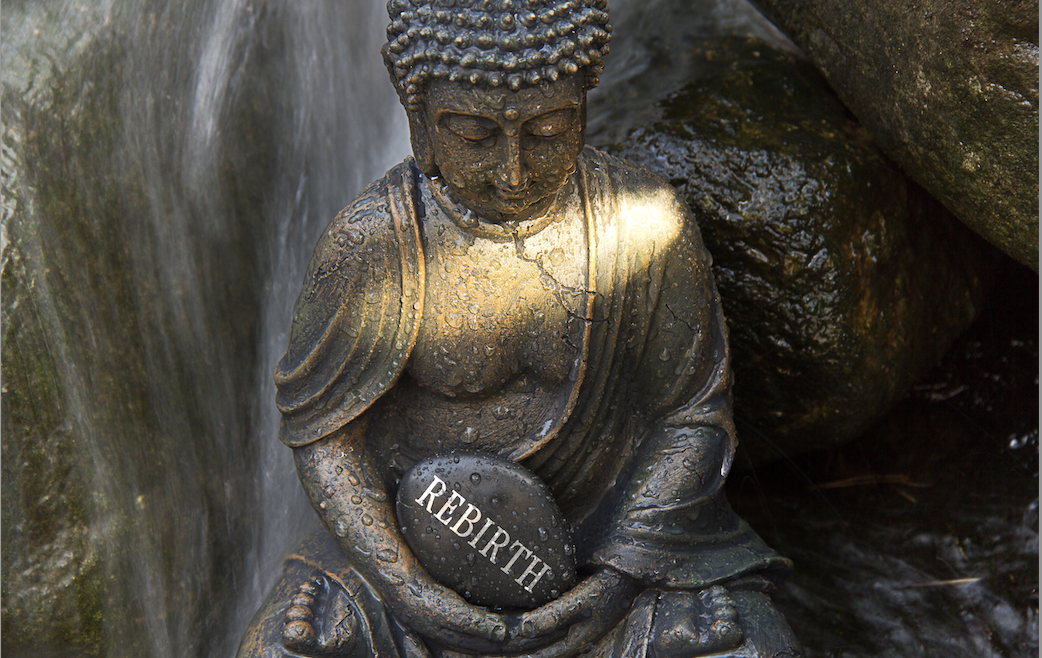
Developing and maintaining our full and natural breathing rhythm through life can help us with greater capacity to experience life in all its colours and shades, and can contribute to health physically, emotionally, mentally and spiritually. However, very soon into life, this full and natural breath becomes compromised for most people. Life’s shocks, knocks and ways cause us to restrict our breathing and life force energy and these restricted ways of breathing and being can become habitual. One of the fundamental aims of Rebirthing is to help us relearn and remember how to breathe fully again.
With its direct link to the nervous system, the breath plays an important part in our health and well-being, and how we live our lives. It is connected to all the systems in our body-minds.
In sync with our nervous system, the rate, depth and rhythm of our breath changes naturally all the time, according to our changing needs and activities, our internal and external environment, to help adjust and regulate all the systems in our body-mind and to maintain balance, well-being and optimum functioning.
With a healthy, flexible nervous system, and tools, we have more capacity to live a fuller spectrum of life, enjoying the joys, noticing the beauty and being with the difficult and painful. To notice, be with and respond to what is happening inside and around us. We can tolerate more of the stresses and feelings that are part of life, responding to them in healthy ways and moving through them. We can stay with or return with greater ease to our connection to the ‘ventral vagal’ state of our nervous systems where we can experience feeling present, engaged with life, safe, at ease, balanced, curious, energised, grounded, centred and connected to ourselves and each other.
However, many people these days are often living in a constant state of ‘dysregulation’, or even in the fight, flight, freeze, fawn states – the survival states.
There is much going on in our world today and much that can happen in our lives that can throw us, appropriately and naturally, into the stress responses, but for many of us we remain stuck in these states. Here we may ongoingly experience feelings, thoughts and sensations associated with these states such as a lack of energy and vitality, feeling disconnected from ourselves, others and the world, feeling anxious, overwhelmed, aggressive, hyper-vigilant or numb, ineffective, uncommunicative, or hopeless. A whole host of physiological problems may accompany us from issues with blood pressure or digestion, to hormone imbalances or sleep and more.
The ability to move through the stresses, strains, traumas or Traumas we experience, largely depends on the capacities of the nervous system and the appropriate supports we have.
We all have a unique nervous system with different capacities for different kinds of stress, and our own may differ from day to day and week to week, year to year. Many factors affect our nervous systems including genetics, neurology, neurotype, age, vulnerable sensory systems, environment, diet, exercise, support systems, other nervous systems around us, negative life experiences, trauma, victimisation, discrimination, and socio-economic factors.
One important determining factor is how our nervous systems were able to develop in the first place. Infants can only regulate with an attuned caregiver. This ‘co-regulation’ is what develops the nervous system and brain of an infant, and this process continues until the mid to late 20s, when the brain and nervous system are fully formed. Our longing for connection is also a need to survive. Sometimes, the process of this development is interrupted. For a number of reasons, the connection needs may not be met.
‘Resilience’ depends largely on the repeated co-regulation and attunement of our caregiver(s) as we encounter dysregulation and more difficult, painful or traumatic experiences as we grow up. Many children and therefore adults, missed out on what was needed to recover and to develop the brain and nervous system as fully as it could be. This of course can impact our health and well-being in many ways.
What is common in our society is we’ve been conditioned to control or shut down our feelings and emotions, or the ways in which we express ourselves. We do this by restricting our breathing, by squashing our feelings and life force energy, by tensing and tightening the muscles in our bodies, by ‘putting a lid on it’. We do it to protect ourselves or others, to not feel pain, to be accepted, to ‘belong’. We do it to survive. The restrictions on our breathing and self-expression can become habitual responses and ways of being in life. We can lose parts of ourselves and who we are, and the opportunities to be that in full self-expression. In suppressing sadness or anger or even joy, we can lose capacity to feel. We can lose connection to our intuition and our inner wisdom, to our flexibility and flow, to our voice.
Our breathing patterns reflect this and as we grow up, we may develop ‘dysfunctional breathing’ patterns which can be under breathing or over breathing, chest breathing or holding our breath unconsciously.
But just as the breath happens automatically as part of the autonomic nervous system, we as humans are able to take conscious control of our breathing too. This means we can affect every system in our body-minds with our conscious breath.
Thanks to the concept of neuroplasticity, we know that the work of creating new pathways in the brain and healing is possible.
Many of us have never really noticed the breath, as of course it just happens automatically. The times when we may notice it may be the times when we have a shock, and our breath is taken away. It can be a great challenge to notice the breath, to be with the breath, and the body. It can be uncomfortable or distressing for many.
We can learn to notice how we are breathing and learn and practice new ways. There are many breath practices and different modalities that can help with this, many people offering and using many ways. Stig Severinsen of ‘Breatheology’ states, ‘The point of training your breath is to create a stronger and more stable nervous system and thereby an advantageous method of breathing – your own new and natural breath. In this way, your natural unconscious breath will be beneficial in everything you do – since your breath influences your body from even the finest nerve fibres to all your organs, your hormone production, and even your thoughts.’[1]
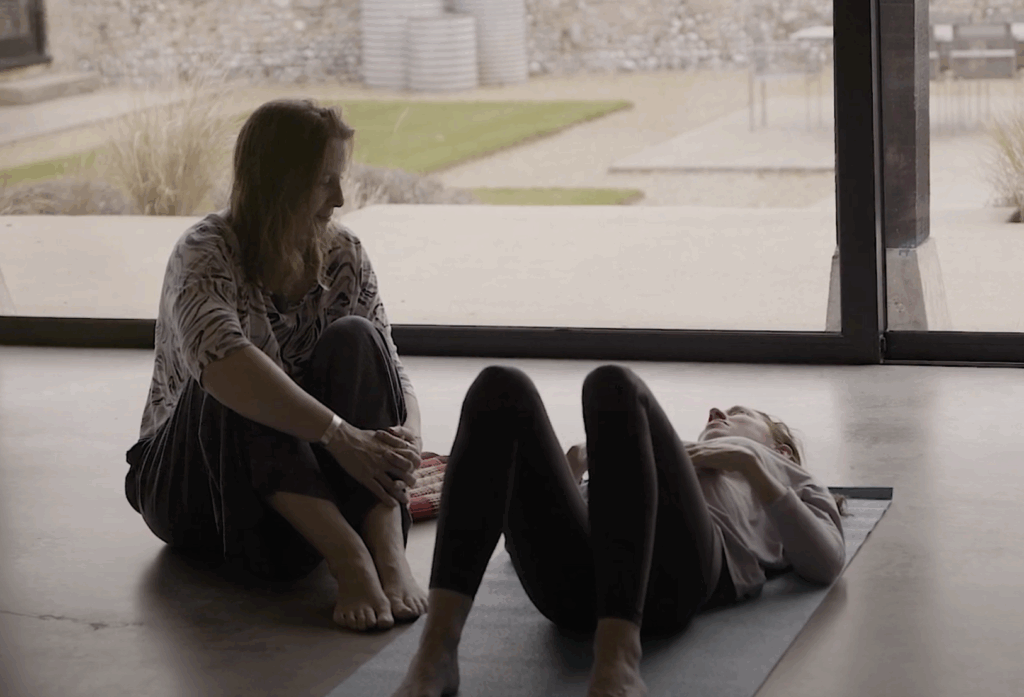
An important part of learning to breathe fully again, is to learn to be with the breath just as it is here and now. Rebirthing sessions are for this. As with when our brains are developing when we are young, co-regulation is a key to healing in adulthood.
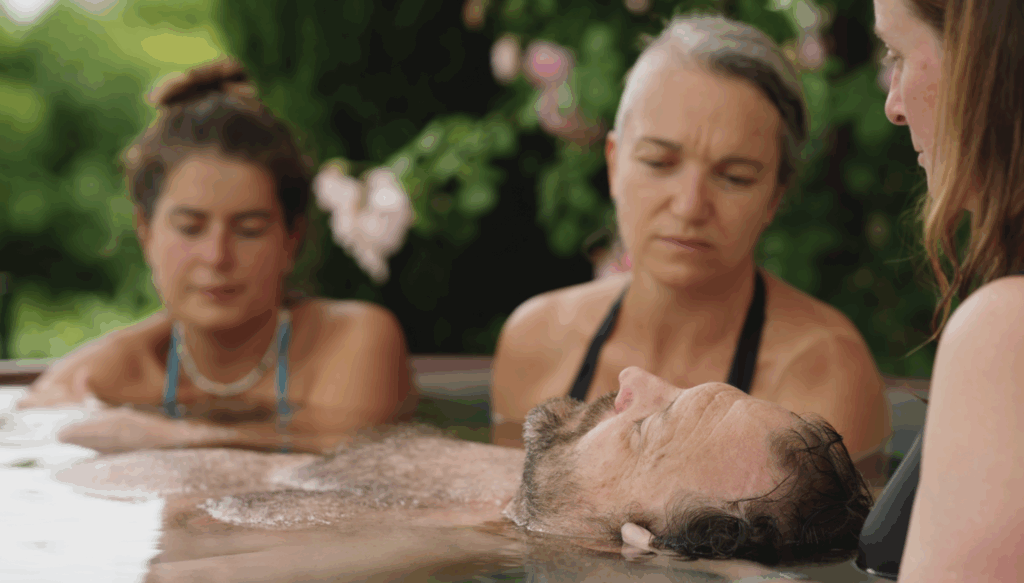
Rebirthing is a gradual and gentle process of healing our relationship with our own breath. With the support of an experienced and appropriately trained practitioner[2] , we can learn to be with the breath, the sensations in the body, our thoughts and feelings, all of it. Over time we notice changes in our breathing that has been compromised for years. We see how change is possible. The practice and awareness spills over into life and our lives begin to shift in all manner of ways.
As Sandra Sabatini expresses, ‘the transition from hectic, uneven breathing to a smooth round rhythmic one happens gradually and slowly, but once the healing process begins, it takes you by the hand naturally and leads the way.’[3]
Our health can improve in many ways. We become better equipped to move in and out of difficult experiences and stresses throughout our days. We can experience a fuller spectrum of feelings and sensations in our bodies, connecting to more of our human experience and that of others’. Our process ever deepens and expands, as we overcome limiting beliefs and behaviours that may have been part of our lives for a long time. Slowly, old wounds can heal, as can our relationship to ourselves and others. We become more and more able to experience life through our senses, and in the here and now. We gradually embrace new ways of being, living more and more fully and freely in ways that are meaningful for us.
Written by Kath Veitch
5th May, 2025
1 https://www.breatheology.com/wp-content/uploads/2014/05/INTRO-Breatheology.pdf
2 Breathwork UK https://breathwork.org.uk/about-ukba/professional-standards/ and Global Professional Breathwork Alliance https://breathworkalliance.com/training-standards/
3 p12 Mothers breath by Uma Dinsmore-Tuli