We hear the word breathwork a lot these days, what a great thing! It has become very prolific in the Western world in the last few years. From schools to doctors’ surgeries, prisons to offices and business conferences, the power of the breath is being realised more and more.
There are so many different styles and hundreds of breathing exercises, it can be confusing to know where to start, even for breathworkers!
In the hope of making it more accessible to more people, it can be categorized under 3 main headings of ‘Breath Awareness’, ‘Breath Control’ and – ‘Breathwork’.
Breath Awareness is simply noticing the breath, as it is, and not trying to change it, as in Mindfulness. It is the starting point of any breathwork, and the point to which we return. It is following our breath, where it comes into the body, where it goes and where it goes out of the body. It can be a powerful and profound practice in itself. It is a way to connect to ourselves and the present moment. From here we can notice how we are, what state we may be in, what may be going on for us.
As human beings we can consciously control our breathing as well as it happening automatically, without us doing anything at all. We then come to the myriad of breathing exercises and techniques that could come under the heading of ‘Breath control’. We often hear the terms here of ‘functional breathing’ or ‘regulating breathing’. The purpose here could be to alter our state, achieve a desired result or regulate our nervous system. This may be to become more energized, more relaxed, more focused, perform better at work or in sport, sleep better, for pain relief, to be less stressed or anxious, breathe with more ease and the list goes on.
Many breath exercises here have been derived from ‘pranayama’. ‘Pranayama is a traditional aspect of yoga and is composed of two Sanskrit words: The first, prana, meaning life force, and the second, ayama, meaning control. If we understand breath in terms of life force, there is a connection between controlling your breath and controlling your life force.’[1] The ancient yogis and many ancient cultures knew that our breath and the way we breathe is connected to every system in our bodies, and beyond! It affects our immune systems, nervous systems, lymphatic, hormonal, cardiovascular, and digestive systems, our mental health and spiritual lives. This makes our breath a healing tool, that we can all potentially use. Most people today have dysfunctional breathing patterns or are not breathing optimally, affecting health, well-being, energy levels, sleep and so on. By learning to ‘breathe better’ our everyday day breath can support our health and well-being.
Stig Severinsen encourages, ‘If you think that it is probably necessary to perform breathing exercises or meditation for months or years before you experience marked results, you are mistaken. From my own experience and from people I have taught, I know that significant changes can happen in a matter of minutes, hours or days. A recent scientific study actually showed that body-mind training combining relaxation, conscious breathing, imagery and mindfulness meditation revealed measurable changes in subjects following 5 days of 20 minute daily training. The participants showed less tension, were in a better mood, had an improved immune response as well as significantly fewer stress-related hormones in their blood.’[2]
Using ancient and more modern knowledge and science, many breathwork styles have emerged to assist people in all kinds of ways from relief of asthma such as the Buteyko method and to performance such as the Wim Hof method. Another well-known breathing technique, the ‘Coherent Breath’, uses knowledge about HRV to ensure the nervous system is in balance and this has been and is used widely in the healing of trauma.[3]
In this category many breath practices and exercises are learnt with an instructor, such as in a yoga class, a singing or acting class, in a specific breathing class, a guided audio, or in an app. Many can be learnt and practiced alone, fitting into our schedules and for the times they are needed. They may be practiced daily for well-being, or as part of a meditative or spiritual practice.
As breathwork is becoming part of modern life for so many people, science and technology are coming in with proof it works and some amazing kit of course! Wellness apps and technology mean people can measure the levels of CO2 and oxygen in their systems as well as heart rate and Heart Rate Variability (HRV), for example, and how their breathing is affecting it.
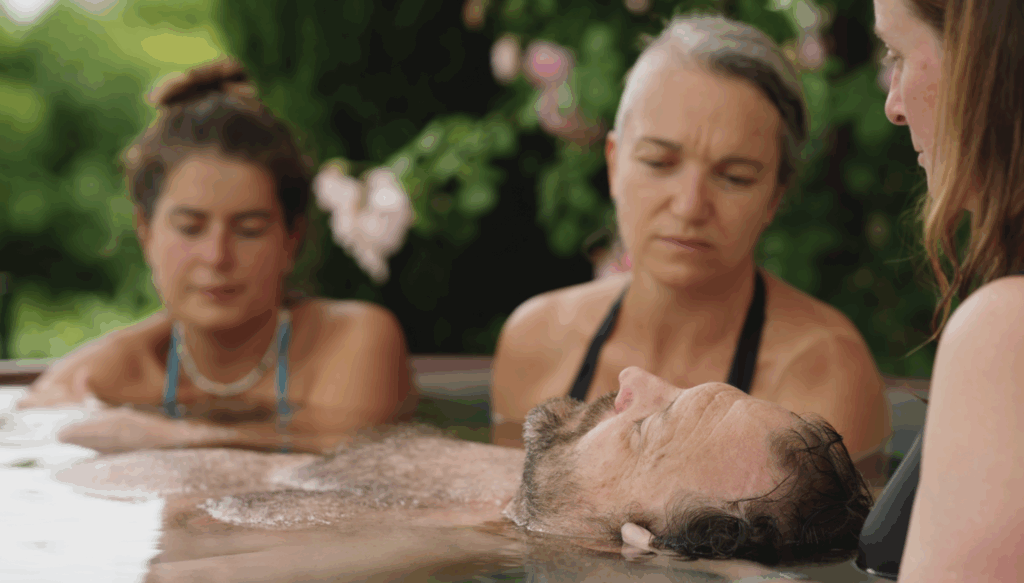
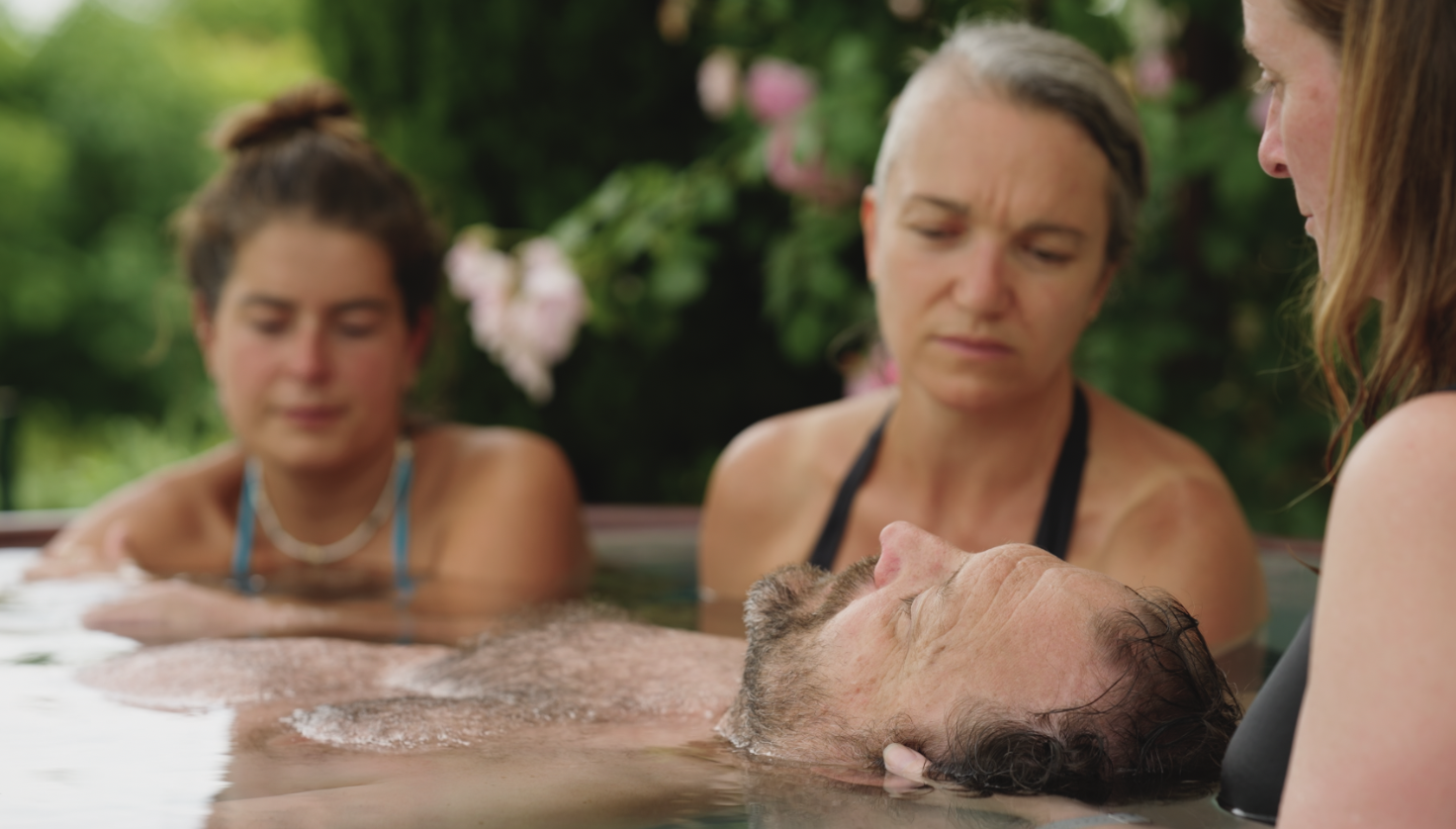
The type of breathwork most often being referred to when you hear the word ‘Breathwork’ these days are the ones that use the conscious connected breath. Breathwork is an alternative healing modality and is therapeutic in nature. The conscious connected breath is where there is no pause between the inhale and exhale. It is a somatic practice, and a technique that leads to altered states of consciousness where we can access and integrate what is held in the ‘body-mind’. This can facilitate experiences and healing on the levels of the mind, body and soul. No one session is the same and it is different for everyone each time and over time. It facilitates our own unique healing journey. It assists with many different issues, including the healing of trauma as well as to contribute to our better daily breathing patterns, supporting our well-being on all levels.
Breathwork UK[4] refers to this style under ‘Deeper Breathwork’. Here we find Rebirthing, such as is practiced and taught at AIR School of Breathwork. Other schools and styles include Holotropic Breathwork and Transformational Breath among a growing number of others that use the conscious connected breath today, often in very different ways. More of an exploration of these styles and the conscious connected breath and its history can be found in the article, ‘What is Rebirthing?’.
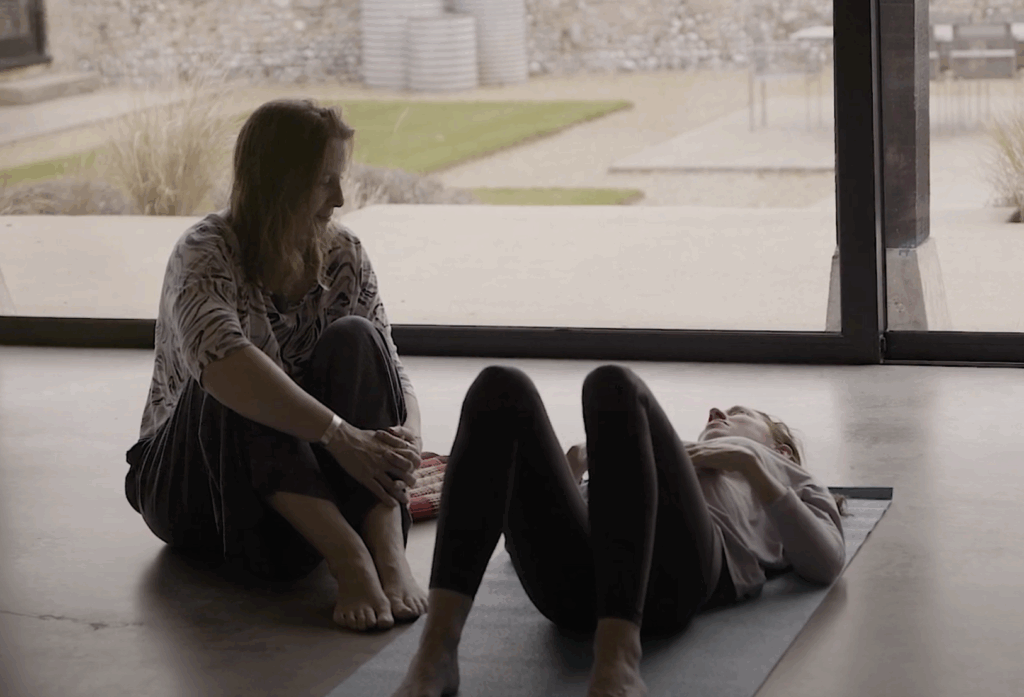
These Breathwork sessions are done with individuals, couples, and groups, and typically with adults or the older youth age group. They are and should be facilitated by a certified professional[5]. A session typically lasts from 30 minutes to 2 hours or in some cases longer. After a number of sessions with a breathworker, the breather can practice the technique on their own, and thus has a lifelong tool. There are certain contra-indications to doing this kind of Breathwork.
Breathwork, in all its forms, is an amazing tool for the times we live in, for our individual and collective healing journeys. It is facilitating a deeper understanding of the connection between our minds, bodies and souls, each other, and our world.
So whether you’ve come across ‘breathwork’ as a mindfulness practice, from pranayama in yoga, singing lessons, deep sea diving, your child has told you they are doing it in school, or if your life has been profoundly transformed by Breathwork…as Leonard Orr said let’s stop talking about it and just do it 😉
Written by Kath Veitch
[1] https://www.breatheology.com/pranayama-power-universe/
[2] Stig Severinsen, Breatheology
[3] The Healing Power of the Breath, 2012, Richard P. Brown and Patricia L. Gerbarg
[4] https://breathwork.org.uk/about-breathwork/
[5] Breathwork UK https://breathwork.org.uk/about-ukba/professional-standards/ and Global Professional Breathwork Alliance https://breathworkalliance.com/training-standards/